

Most audit firms know what an engagement costs in fees and budgeted hours. Very few know what their working papers cost.
That’s because the cost never appears in one place. It’s spread across an article assistant re-keying numbers from the trial balance, a senior fixing broken cross-references at midnight, a manager clearing the same review note for the third time, and a partner writing off hours on a job that ran over budget. No time sheet has a line called “workpapers.”
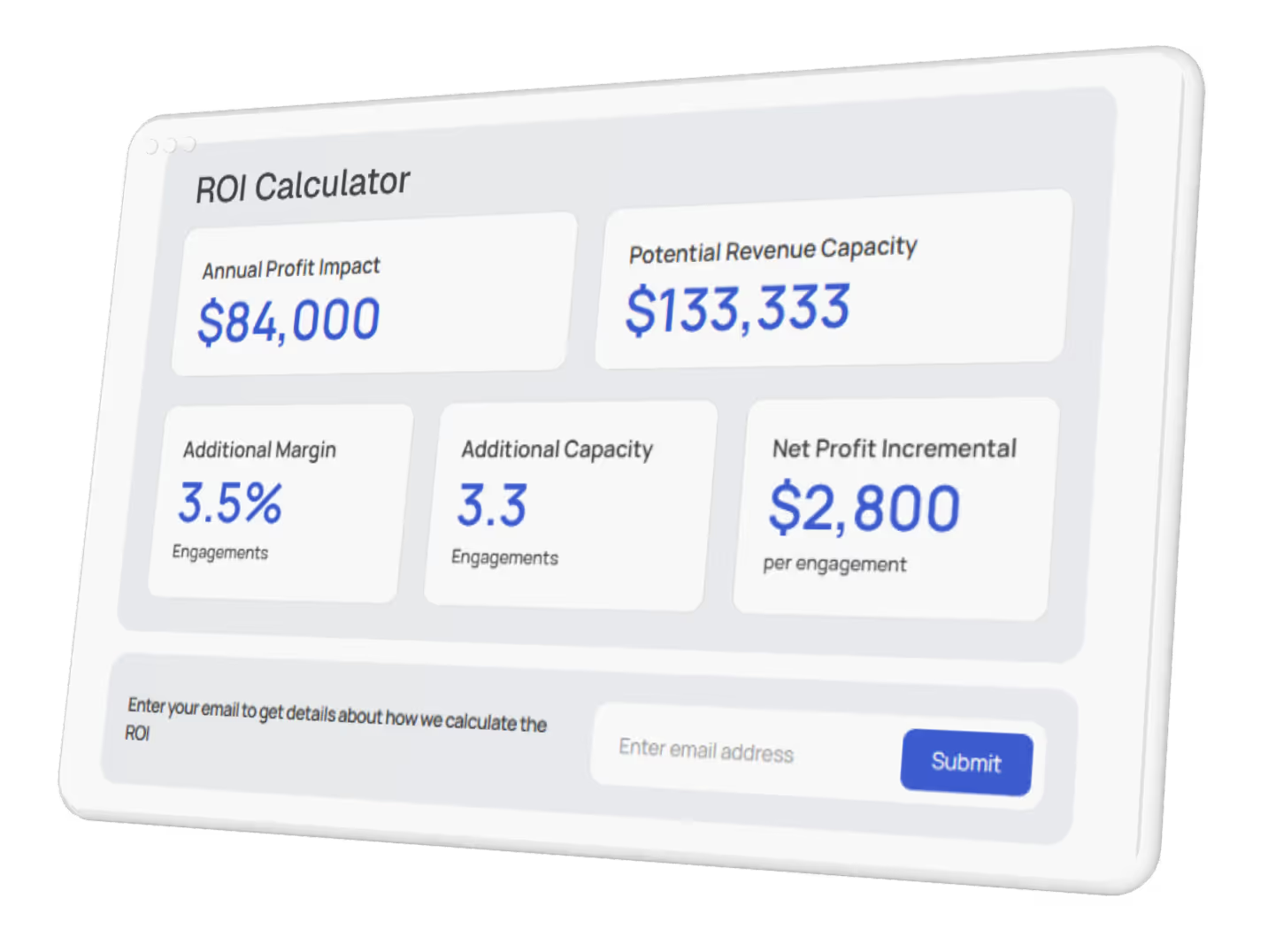
This guide gives you a simple way to put a number on it. Using five figures most firms already know or can estimate in a few minutes, you can calculate roughly how many hours, people and rupees your firm spends every year on the mechanics of manual working papers, and decide whether it’s worth fixing.
Answers

It varies by firm and engagement. The simplest way to find out is to estimate the share of engagement hours spent on mechanical tasks, such as re-keying, cross-referencing and formatting, rather than testing and judgment.
It includes the direct hours spent on mechanical work, extra review rounds and handover rework, plus harder-to-measure costs such as inspection findings, staff turnover and partner write-offs.
Map the trial balance once so figures flow into every schedule, link each conclusion to its evidence, use standard templates, and automate mechanical checks such as missing references and figures that don’t agree.
Not when it’s done well. Automation handles the mechanical work, while the auditor remains responsible for every judgment, conclusion and sign-off. Clear links between evidence and conclusions usually make files easier to review and inspect.
No. On smaller engagements, roll-forward, financial statement preparation and reporting checklists can take up a larger share of total hours, not a smaller one.
More Blogs