



I Already Have a CA. Why Do I Still Need Audit Software?
Many business owners assume that hiring a Chartered Accountant (CA) solves all their financial compliance and audit challenges.
After all, a CA manages accounting, tax filings, financial reporting, and regulatory compliance. So why would a business need audit software as well?
The reality is that a CA and audit software serve different but complementary purposes. A skilled CA provides professional expertise, judgment, and regulatory guidance. Audit software, on the other hand, automates workflows, organizes evidence, improves visibility, and helps businesses stay audit-ready year-round.
In today's increasingly complex business environment, relying solely on manual processes can create inefficiencies, even when working with an experienced CA.
This article explains the difference between a CA and audit software, why both are valuable, and how businesses can improve audit readiness, compliance, and operational efficiency by combining professional expertise with modern technology.

Understanding the Role of a Chartered Accountant
A Chartered Accountant is a qualified finance professional responsible for helping businesses manage financial and regulatory obligations.
A CA typically assists with:
- Financial reporting
- Tax compliance
- Regulatory filings
- Accounting advisory
- Financial planning
- Audit support
- Risk management guidance
Their expertise is critical for ensuring compliance and interpreting financial information accurately.
However, most CAs still depend on the quality, availability, and organization of the information provided by the business.
What Is Audit Software?
Audit software is a technology platform designed to streamline and automate audit-related processes.
Instead of relying on spreadsheets, email chains, and scattered documents, audit software centralizes audit activities in a single environment.
Common capabilities include:
- Document management
- Evidence collection
- Workflow automation
- Audit trail tracking
- Collaboration tools
- Compliance monitoring
- Risk assessment support
- Audit request management
The objective is not to replace accountants or auditors but to make their work faster, more efficient, and more accurate.
A CA and Audit Software Are Not the Same Thing
One of the biggest misconceptions is that audit software replaces finance professionals.
It does not.
A CA provides expertise and professional judgment. Audit software provides structure, automation, and operational efficiency.
The strongest audit environments combine both human expertise and technology.
Why Businesses Still Face Audit Challenges Despite Having a CA
Many organizations work with highly capable accountants yet continue to experience audit-related bottlenecks.
This is usually because the challenge is not expertise—it is process management.
Common issues include:
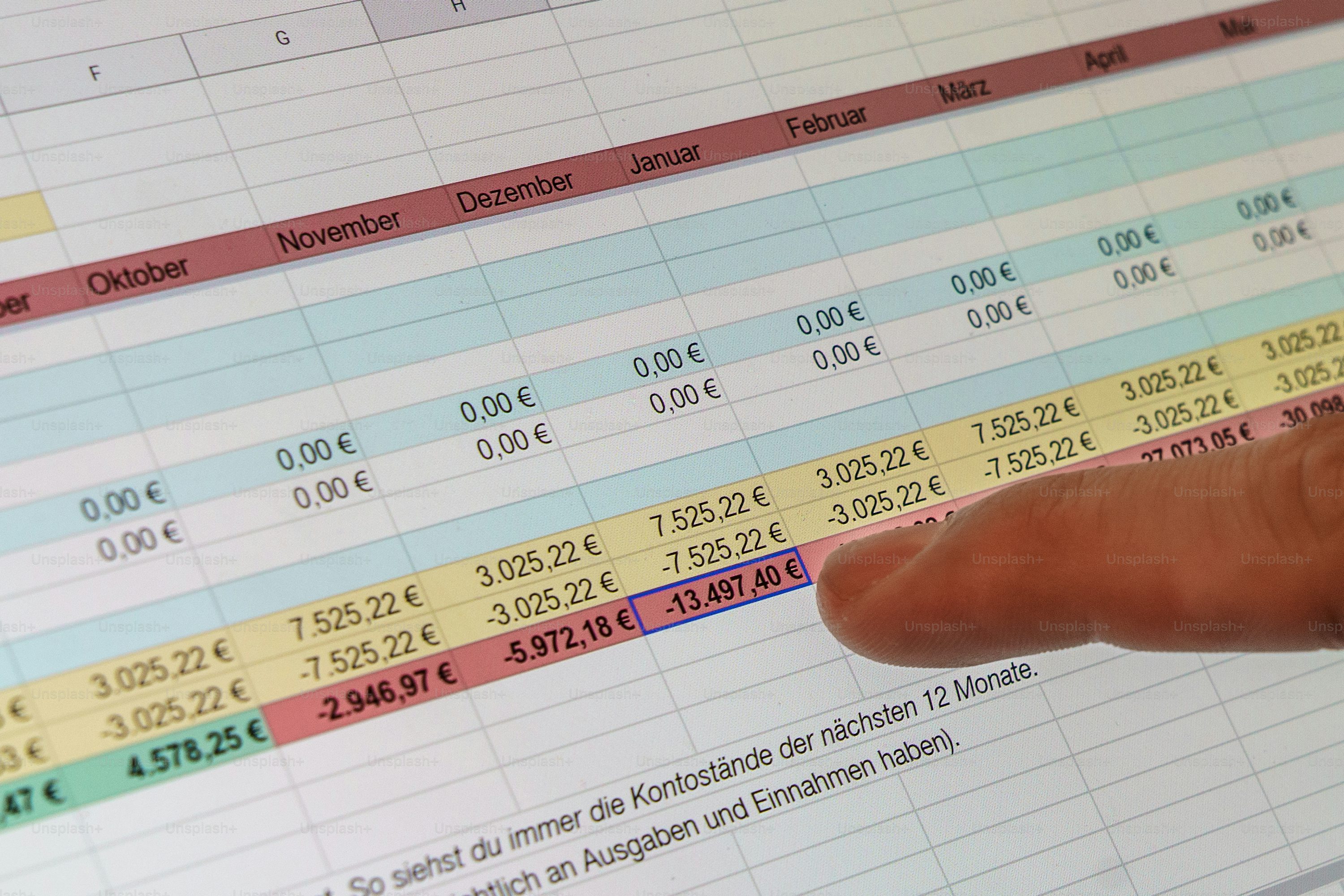
- Documents spread across multiple systems
- Manual evidence collection
- Version control problems
- Email-based audit requests
- Missing supporting documentation
- Delayed responses to auditors
- Lack of audit visibility
These operational challenges consume valuable time for both the business and the CA.
How Audit Software Supports Your CA
Rather than replacing your CA, audit software enables them to work more effectively.
When financial data, evidence, and documentation are organized and easily accessible, accountants can focus on higher-value activities instead of administrative tasks.
Benefits include:
Faster Access to Information
Audit software creates a centralized repository for financial and compliance documentation.
This reduces time spent searching for files across emails, folders, and spreadsheets.
Improved Audit Readiness
Businesses can maintain organized records throughout the year rather than scrambling before an audit begins.
This creates a more proactive approach to compliance.
Better Collaboration
Finance teams, management, auditors, and CAs can work from the same platform.
This improves communication and reduces duplication of effort.
Stronger Documentation Controls
Version tracking and audit trails help ensure records remain accurate and traceable.
This is especially important during regulatory reviews and audits.
Practical Example: CA Alone vs CA with Audit Software
Consider two growing businesses.
Both have experienced Chartered Accountants.
Business A relies on:
- Email communication
- Shared folders
- Spreadsheets
- Manual audit tracking
Business B uses:
- A qualified CA
- Centralized audit software
- Automated document management
- Digital audit workflows
When an audit begins, Business B can typically locate documentation, respond to requests, and collaborate more efficiently because information is already organized.
The expertise of the CA remains equally important in both cases, but technology significantly improves execution.
Benefits of Audit Software for Growing Businesses
As businesses expand, audit complexity increases.
More transactions, vendors, customers, and compliance requirements create additional pressure on finance functions.
Audit software helps businesses scale their audit and compliance processes without proportionally increasing administrative burden.
Why Continuous Audit Readiness Matters
Many organizations prepare for audits only when an audit is announced.
This reactive approach often leads to:
- Last-minute document collection
- Increased stress
- Delayed auditor responses
- Higher operational disruption
Audit software supports continuous audit readiness by keeping records organized throughout the year.
This allows businesses and their CAs to focus on improving controls rather than locating information.

Why AI-Native Audit Platforms Are Becoming Essential
Traditional audit tools often digitize existing processes but still require substantial manual effort.
AI-native audit platforms go further by helping businesses:
- Automate repetitive audit tasks
- Organize evidence intelligently
- Improve workflow efficiency
- Enhance visibility across audit activities
- Support continuous compliance monitoring
This allows finance teams and external advisors to focus more on analysis and decision-making.
How Finspectors Complements Your CA
Finspectors is not designed to replace Chartered Accountants.
Instead, it helps businesses and finance professionals work more efficiently through AI-native audit management.
By combining expert financial guidance with intelligent audit technology, organizations can:
- Streamline audit preparation
- Improve compliance processes
- Reduce manual administrative work
- Enhance documentation quality
- Maintain year-round audit readiness
The result is a more efficient audit experience for everyone involved.
Final Thoughts
Having a Chartered Accountant is essential for financial compliance, reporting, and strategic guidance.
However, expertise alone does not solve the operational challenges of audit preparation, document management, and compliance tracking.
Audit software complements your CA by creating structure, automation, and visibility across audit processes.
The future of auditing is not about choosing between people and technology. It is about combining expert judgment with intelligent audit platforms to create a more efficient, scalable, and audit-ready business.