



TL;DR
AI is fundamentally transforming audit reporting by reducing human error, accelerating data analysis, and providing deeper insights. Modern AI-powered audit systems can process millions of transactions in seconds, identify anomalies with 95%+ accuracy, and generate comprehensive reports that previously took weeks to compile. This shift is making audits more accurate, cost-effective, and valuable for strategic decision-making.
The audit profession stands at a crossroads. Traditional audit methods, while thorough, are increasingly inadequate for today's complex business environments. Enter artificial intelligence-a technology that's not just improving audit report generation but completely reimagining what's possible in financial oversight.
The Accuracy Crisis in Traditional Auditing
Traditional auditing has always been a delicate balance between comprehensive review and practical limitations. Auditors working with spreadsheets and sample-based testing face inherent constraints. When you're examining only 5-10% of transactions, you're essentially hoping that your sample accurately represents the whole. This approach leaves significant room for error.
Human fatigue compounds the problem. After reviewing thousands of line items, even the most diligent auditor's attention wavers. Research shows that manual data entry and review processes have error rates between 1-4%, which seems small until you consider that in a Fortune 500 company, this could mean thousands of misclassified transactions going unnoticed.
The consequences are real. Restatements, regulatory penalties, and damaged reputations follow audit failures. More importantly, businesses lose the opportunity to catch problems early when they're still manageable.
How AI Transforms Audit Accuracy
AI approaches auditing fundamentally differently. Instead of sampling, it examines everything. Machine learning algorithms can process complete datasets-every transaction, every journal entry, every supporting document-with consistent attention and speed that humans simply cannot match.
The accuracy improvements come from multiple fronts. Natural language processing extracts and categorizes information from invoices, contracts, and correspondence without the transcription errors that plague manual processes. Computer vision reads receipts and documents with optical character recognition that's now more accurate than human data entry. Pattern recognition algorithms identify anomalies and outliers that might take auditors months to spot, flagging them instantly for review.
Consider a typical accounts payable audit. An AI system can cross-reference every invoice against purchase orders, delivery receipts, and payment records simultaneously. It checks for duplicate payments, identifies vendors with unusual payment patterns, and flags invoices that don't match standard formats or contain suspicious elements. What once took a team weeks now happens in hours, with far greater coverage.
The technology learns and improves continuously. As AI systems process more audits, they refine their understanding of what constitutes normal business patterns versus genuine red flags. They reduce false positives over time, making each subsequent audit more efficient than the last.

New-Age Audit Reporting: Beyond Compliance
Modern AI-driven audit reports are qualitatively different from their predecessors. They're no longer just compliance documents but strategic intelligence tools. The shift represents a fundamental reimagining of what an audit can deliver.
Real-time continuous auditing is perhaps the most significant advancement. Instead of annual or quarterly snapshots, AI systems monitor transactions continuously, providing ongoing assurance. CFOs and audit committees can access dashboards showing control effectiveness, compliance status, and emerging risks in real time rather than waiting months for a formal report.
The reports themselves have evolved dramatically. AI-generated audit reports include interactive visualizations that let stakeholders drill down into specific areas of interest. They incorporate predictive analytics, forecasting potential compliance issues before they materialize. Risk scores and heat maps help prioritize attention and resources. The narrative sections, increasingly generated by advanced language models, explain findings in clear, actionable language tailored to different audience levels.
Modern reports also demonstrate unprecedented comprehensiveness. Because AI can analyze 100% of transactions, audit opinions are based on complete evidence rather than statistical inference. The supporting documentation is more robust, with automated links to source documents and audit trails that satisfy even the most stringent regulatory requirements.
The Human-AI Partnership in Modern Auditing
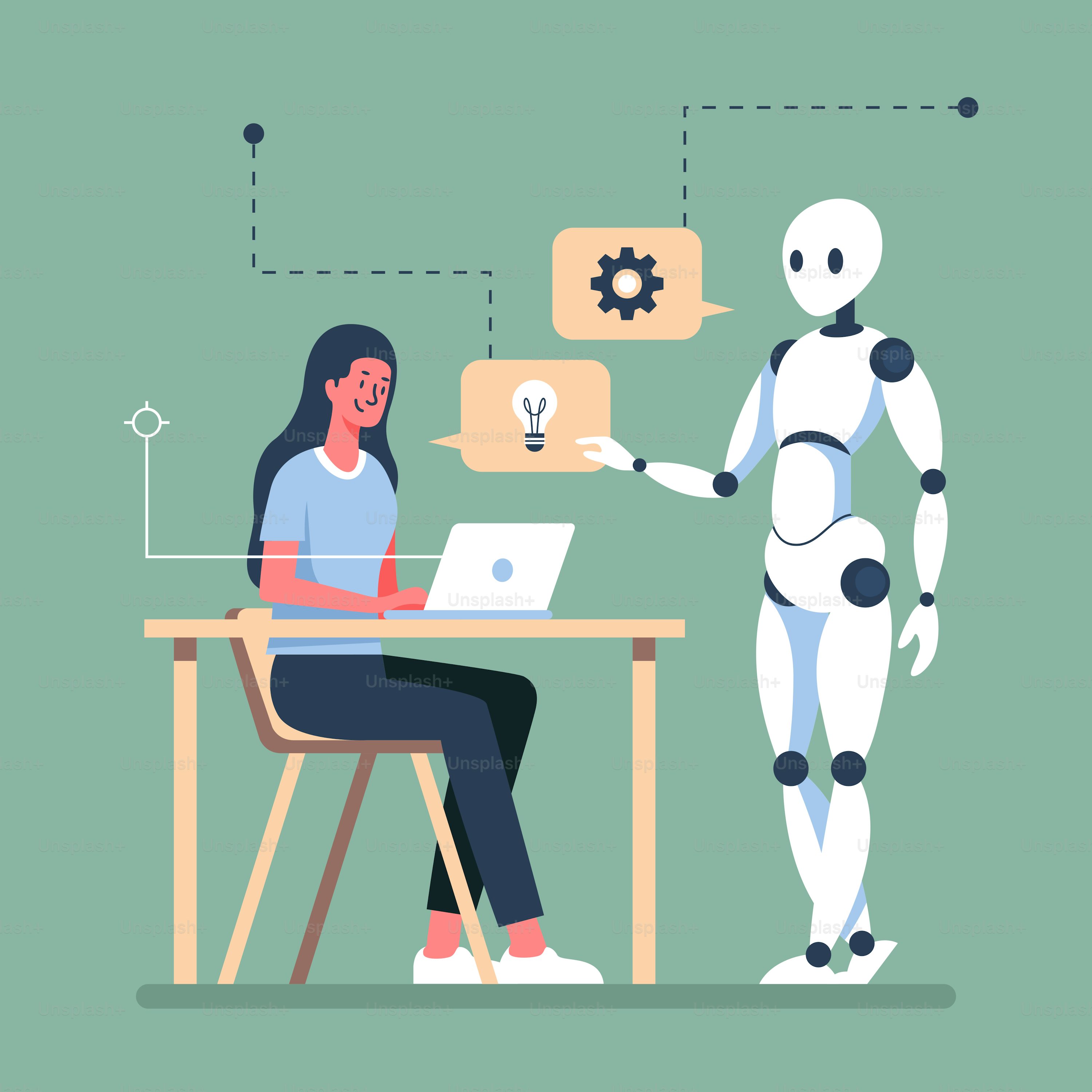
The future of auditing isn't about replacing auditors but augmenting their capabilities. AI excels at processing vast amounts of structured data, identifying patterns, and flagging anomalies. Humans excel at judgment, understanding context, and interpreting ambiguous situations.
In practice, this partnership looks different from traditional auditing. Auditors spend less time on data gathering and reconciliation, and more time on analysis and advisory work. When an AI system flags unusual transactions, auditors investigate the business context, determine whether the anomaly represents a genuine issue or a legitimate exception, and provide recommendations.
The skillset required is evolving. Modern auditors need to understand data analytics, interpret AI-generated insights, and communicate findings effectively. They're becoming more like forensic investigators and strategic advisors, using technology to uncover deeper insights about business operations and risk management.
This partnership also enhances professional judgment. AI provides auditors with more complete information and objective analysis, reducing cognitive biases that can affect human judgment. Auditors can make more informed decisions based on comprehensive evidence rather than limited samples.
Implementation Challenges and Considerations
Adopting AI for audit reporting isn't without challenges. Data quality remains paramount-AI systems are only as good as the data they analyze. Organizations need robust data governance frameworks ensuring information is accurate, complete, and properly formatted. Legacy systems with inconsistent data structures require significant cleanup or integration work.
Change management is equally critical. Audit teams accustomed to traditional methods may resist new technologies, fearing job displacement or struggling with new technical requirements. Successful implementations require comprehensive training programs, clear communication about how roles will evolve, and leadership commitment to supporting the transition.
Regulatory considerations add another layer of complexity. While most regulators now accept AI-assisted audits, they require transparency about how AI systems work and make decisions. Audit firms need to document their AI methodologies, validate algorithm accuracy, and demonstrate that automated processes meet professional standards.
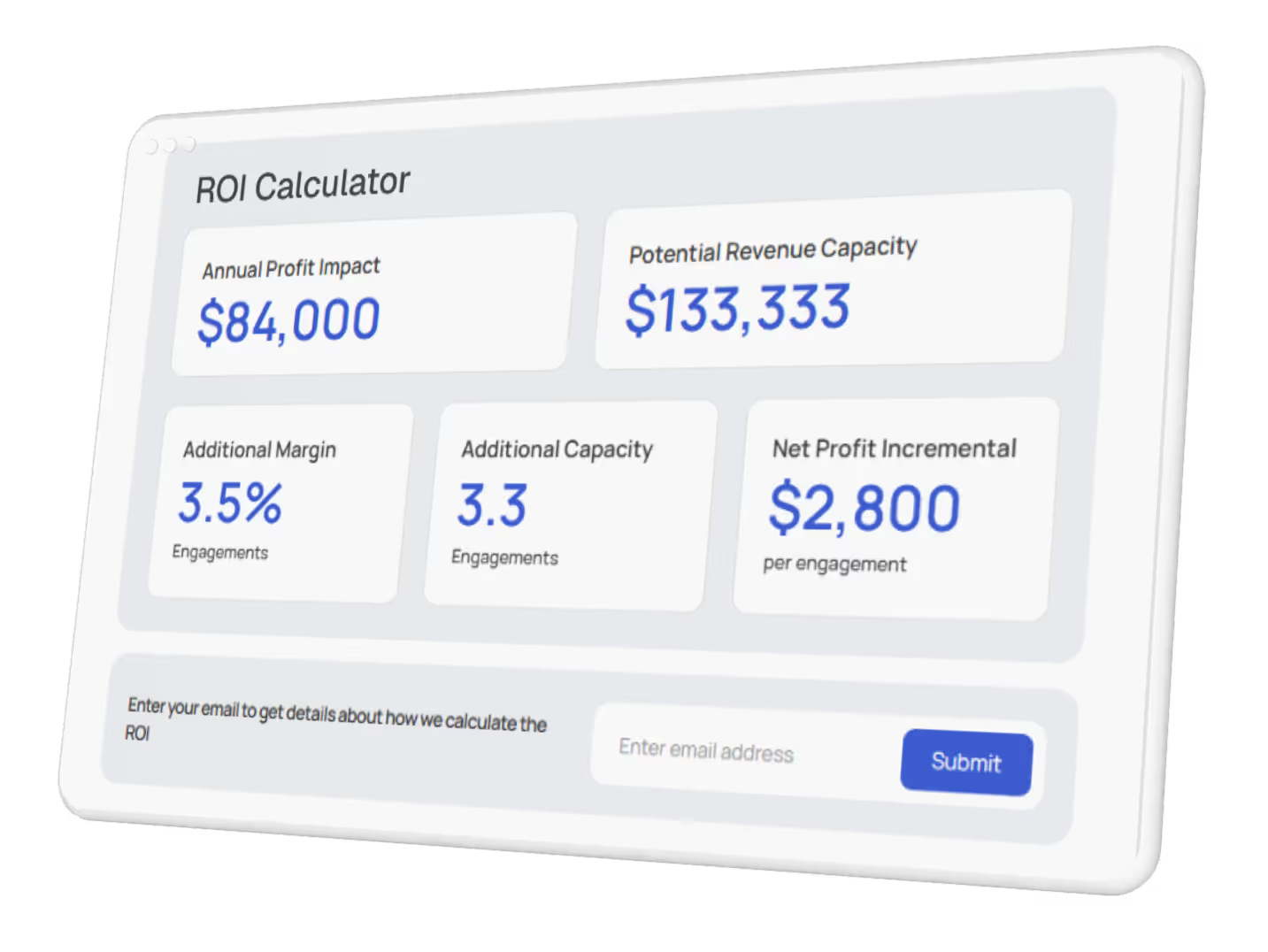
Cost is a real consideration for smaller organizations. Enterprise-grade AI audit platforms represent significant investments, though cloud-based solutions are making the technology more accessible. Organizations need to carefully evaluate ROI, considering not just direct cost savings but also risk reduction and strategic benefits.
Looking Ahead: The Future of AI in Auditing
The trajectory is clear-AI will become increasingly central to audit processes. Emerging technologies promise even greater capabilities. Blockchain integration will enable real-time verification of transactions at the source. Advanced natural language processing will analyze contracts and agreements with near-human comprehension. Predictive models will forecast financial statement issues months in advance.
We're moving toward a world where audits are continuous rather than periodic, predictive rather than retrospective, and strategic rather than purely compliance-focused. The audit report of 2030 might be an interactive, real-time dashboard that provides ongoing assurance rather than a static document delivered annually.
The profession itself is transforming. Auditors are becoming technology-enabled business advisors who help organizations not just comply with regulations but optimize operations and manage risk more effectively. Those who embrace this change will find themselves more valuable and relevant than ever.
Conclusion
The profession itself is transforming. Auditors are becoming technology-enabled business advisors who help organizations not just comply with regulations but optimize operations and manage risk more effectively. Those who embrace this change will find themselves more valuable and relevant than ever.