



TL;DR
The statutory audit automation software market is projected to reach $1.92 - $3.81 billion in 2025, driven by AI, ML, and cloud computing for enhanced efficiency, accuracy, and compliance. Leading solutions like AuditBoard, CCH Audit Automation, DataSnipper, and Finspectors offer end-to-end capabilities, with future trends including hyperautomation, predictive analytics, and ESG audit automation.
Statutory Audit Automation Market Overview
The market for end-to-end statutory audit automation software is experiencing significant expansion, driven by increasing regulatory demands, the need for greater efficiency, and advancements in automation technology. This sector is crucial for organizations aiming to streamline their audit processes, ensure compliance, and enhance the accuracy of financial reporting.
Market size estimates for 2025 demonstrate robust growth. For instance, the market is valued at approximately USD 1.92 billion in 2025, with projections to reach USD 3.39 billion by 2029, exhibiting a Compound Annual Growth Rate (CAGR) of 15.3% globally. Other analyses, such as one from Global Market Insights, place the market size at USD 3.4 billion in 2025, forecasting growth up to USD 9.7 billion by 2034 with a 12.4% CAGR. These figures underscore the escalating demand for sophisticated audit solutions.
The internal audit segment holds the largest application share within this market, reflecting the growing emphasis on robust risk management and compliance frameworks within organizations. North America remains a dominant region due to its mature regulatory environment and focus on financial and operational audit streamlining, with the US and Canada leading market revenues. However, the Asia-Pacific region is rapidly emerging as a significant growth area, fueled by increasing regulatory scrutiny and widespread digitization efforts across various industries.
Key Market Statistics for 2025
Understanding the financial landscape of the audit software market provides context for its importance and trajectory. The following table summarizes key market projections:
Key Technology Drivers in Audit Automation
The evolution of statutory audit automation software is intrinsically linked to advancements in core technologies. Artificial Intelligence (AI), Machine Learning (ML), and cloud computing are not merely features but fundamental enablers driving the market's growth and shaping its future. These technologies facilitate automation of repetitive tasks, improve risk management capabilities, and ensure adherence to complex regulatory frameworks.
AI and ML algorithms are increasingly integrated into audit platforms to analyze vast datasets, identify anomalies, predict potential risks, and even generate preliminary audit reports. Cloud computing provides the necessary infrastructure for scalable, accessible, and secure audit solutions, enabling real-time collaboration and data sharing across geographically dispersed teams.
Impact of AI and Cloud on Audit Processes
The integration of AI and cloud technologies profoundly impacts various aspects of the audit lifecycle. These impacts include:
- Automated Evidence Collection: AI-powered tools can automatically extract and categorize relevant evidence from diverse sources, such as invoices, contracts, and financial statements, significantly accelerating the audit process.
- Enhanced Risk Assessment: Machine learning models can analyze historical data and current transactions to identify patterns indicative of fraud or compliance breaches, allowing auditors to focus on high-risk areas.
- Continuous Monitoring: Cloud-based platforms enable continuous auditing, where transactions are monitored in real-time, providing immediate alerts for deviations or anomalies, a significant shift from traditional periodic audits.
- Improved Data Analytics: Advanced analytics capabilities allow auditors to gain deeper insights into financial data, uncover hidden trends, and support more informed decision-making.
- Scalability and Accessibility: Cloud solutions offer unparalleled scalability, allowing audit teams to manage growing data volumes and collaborate effectively from any location, fostering a more agile audit environment.
These technological shifts are paving the way for the future of audit with AI-native firms and automation, transforming how audits are conducted and perceived.
Leading End-to-End Audit Software Solutions
The market offers a variety of sophisticated end-to-end statutory audit automation software, each with distinct strengths tailored to different organizational needs. These platforms are designed to streamline audit workflows, ensure regulatory compliance, and provide actionable insights through advanced automation technology solutions.
When evaluating leading solutions, it is essential to consider their capabilities in areas such as integration, compliance, and data handling. The best platforms offer comprehensive features that cover the entire audit lifecycle, from planning and risk assessment to evidence collection, reporting, and continuous monitoring. User-selected tools like DataSnipper and Finspectors are examples of specialized solutions that cater to specific audit workflows, demonstrating the diversity in the market.
Prominent Software Providers and Their Offerings
Several companies stand out in the provision of advanced audit automation tools. These providers are continually innovating to meet the evolving demands of the audit profession:
- AuditBoard: Recognized as a leading enterprise-grade platform, AuditBoard is trusted by a significant number of Fortune 500 companies. It offers seamless integration with risk management and SOX compliance, providing real-time reporting capabilities. AuditBoard leverages AI to automate various tasks, enabling audit teams to concentrate on strategic decision-making rather than manual processes.
- CCH Audit Automation by Wolters Kluwer: This solution specializes in generating audit documentation that adheres to legal standards and passes quality checks. Its primary focus is on compliance reliability, helping organizations avoid legal penalties through meticulous documentation and robust audit trails.
- DataSnipper: DataSnipper enhances audit efficiency for both external and internal audit teams by automating the extraction, cross-referencing, and verification of data directly within Excel. This allows auditors to dedicate more time to analysis and less to administrative tasks, improving overall productivity.
- Finspectors: A key player in the automation technology landscape, Finspectors provides specialized solutions for statutory audit automation, focusing on end-to-end process optimization. Comparing end-to-end statutory audit automation software with traditional suites often highlights the superior integration and AI capabilities of modern platforms like Finspectors.
- Other Major Players: The broader audit software market also includes significant contributions from companies like Intuit, SAP, Oracle, Microsoft, Sage, Xero, Zoho, FreshBooks, and BlackLine, each offering various tools that contribute to audit efficiency and compliance.
Effective Implementation Strategies
Successfully integrating end-to-end statutory audit automation software requires a strategic approach that extends beyond merely purchasing a solution. Effective implementation involves careful planning, customization, and integration with existing systems to maximize the benefits of automation technology. Organizations must consider their unique audit needs, regulatory environment, and technological infrastructure when adopting new software.
A key aspect of implementation is ensuring that the chosen software can adapt to specific workflows and compliance requirements. Integration with existing business tools, such as Excel or Microsoft 365, is also critical to ensure a smooth transition and avoid data silos.
Steps for Successful Software Adoption
To ensure a smooth and effective transition to automated audit processes, organizations should follow a structured implementation roadmap:
- Assess Current Processes: Begin by thoroughly analyzing existing manual audit processes to identify bottlenecks, inefficiencies, and areas where automation can provide the most significant impact. This assessment helps in defining clear objectives for the new software.
- Define Requirements: Clearly outline the functional and non-functional requirements for the audit automation software. This includes specific compliance needs (e.g., Sarbanes-Oxley, GDPR), integration capabilities, reporting features, and user access controls.
- Pilot Program: Implement the software in a phased approach, starting with a pilot program in a specific department or for a particular audit type. This allows for testing, gathering feedback, and making necessary adjustments before a full-scale rollout.
- User Training and Adoption: Provide comprehensive training to all audit personnel on how to effectively use the new software. Emphasize the benefits of automation and address any concerns to foster user adoption and minimize resistance to change.
- Continuous Optimization: Regularly review the software's performance, gather user feedback, and make continuous improvements to workflows and configurations. This ensures the software remains aligned with evolving audit requirements and business objectives.
Developing a roadmap for transitioning to an AI-augmented audit firm is essential for long-term success.
Benefits of Audit Automation Technology
The adoption of audit automation technology solutions offers a multitude of benefits that extend beyond mere efficiency gains. These advantages contribute to improved audit quality, enhanced compliance, and a more strategic role for audit professionals within organizations. Automation helps mitigate human error, provides deeper insights, and enables auditors to focus on more complex, value-added tasks.
One of the primary benefits is the ability to conduct continuous monitoring and real-time reporting. Furthermore, automation significantly improves data accuracy and consistency, which is critical for maintaining regulatory compliance and building stakeholder confidence.
Key Advantages of Automated Audit Processes
Implementing end-to-end statutory audit automation software yields several critical advantages:
- Increased Efficiency and Speed: Automation significantly reduces the time spent on repetitive tasks such as data collection, reconciliation, and documentation, accelerating the overall audit cycle.
- Enhanced Accuracy and Quality: By minimizing manual data entry and processing, automation reduces the likelihood of human error, leading to more accurate and reliable audit findings.
- Improved Compliance: Automated systems can be configured to continuously monitor adherence to regulatory requirements (e.g., Sarbanes-Oxley, GDPR, ESG mandates), ensuring consistent compliance and reducing the risk of penalties.
- Better Risk Management: AI and ML capabilities enable more sophisticated risk assessments, allowing auditors to identify and prioritize high-risk areas with greater precision.
- Cost Reduction: Streamlined processes and reduced manual effort can lead to significant operational cost savings over time, making audit functions more cost-effective.
- Data-Driven Insights: Advanced analytics tools provide deeper insights into financial and operational data, helping organizations make more informed business decisions.
- Enhanced Collaboration: Cloud-based platforms facilitate seamless collaboration among audit teams, management, and external stakeholders, improving communication and workflow.
These benefits collectively contribute to a more robust and effective audit function, aligning with modern collaboration in the AI audit era.
Future Trends in Audit Automation
The landscape of statutory audit automation is continuously evolving, driven by rapid technological advancements and changing regulatory environments. Looking towards 2025 and beyond, several key trends are expected to shape the development and adoption of automation technology in the audit sector. These trends emphasize greater integration, predictive capabilities, and a focus on emerging areas of compliance.
One prominent trend is the increasing sophistication of AI and machine learning in audit processes. Another significant trend is the expansion of continuous auditing capabilities, leveraging real-time data feeds and advanced algorithms to provide ongoing assurance rather than periodic snapshots.
Emerging Trends Shaping Audit Automation
The future of audit automation will be defined by several transformative trends:
- Hyperautomation: The combination of multiple automation technologies, such as Robotic Process Automation (RPA), AI, ML, and process mining, to automate increasingly complex end-to-end audit processes. This will lead to more comprehensive automation across the entire audit workflow.
- Predictive Analytics for Risk: Advanced AI models will move beyond identifying existing risks to predicting future potential risks and vulnerabilities based on historical data and external factors, allowing for proactive risk mitigation strategies.
- ESG Audit Automation: With the growing importance of Environmental, Social, and Governance (ESG) reporting, automation tools will increasingly integrate features to collect, analyze, and report on ESG data, ensuring compliance with evolving sustainability regulations.
- Blockchain Integration: The immutable and transparent nature of blockchain technology holds promise for enhancing audit trails and verifying transactions, potentially reducing the need for extensive sampling in certain audit areas.
- Enhanced Cybersecurity in Audit Tools: As audit data becomes more centralized and cloud-based, there will be an even greater emphasis on robust cybersecurity features within audit software to protect sensitive financial information from cyber threats.
These trends highlight the dynamic nature of the audit profession and the critical role of automation technology in adapting to future challenges and opportunities.
Choosing the Right Automation Software
Selecting the best end-to-end statutory audit automation software for an organization is a critical decision that impacts efficiency, compliance, and overall audit quality. The choice should align with the organization's specific needs, existing infrastructure, and long-term strategic goals. It is not merely about selecting the most feature-rich software but rather the solution that offers the most appropriate blend of functionality, scalability, and support.
Key considerations include the software's ability to integrate with current systems, its compliance capabilities, and the level of customization it offers. Organizations must evaluate whether the software can handle their data volume and complexity, provide real-time insights, and support collaborative auditing. Furthermore, the vendor's reputation, customer support, and commitment to ongoing development are crucial factors in ensuring a successful long-term partnership.
Factors to Consider for Software Selection
When evaluating audit automation software, consider the following essential criteria:
Can it seamlessly integrate with existing ERP systems, accounting software (e.g., SAP, Oracle, Xero), and productivity tools (e.g., Microsoft 365, Excel)?
Does it offer APIs for custom integrations if needed?
Does the software support compliance with relevant regulations (e.g., SOX, GDPR, industry-specific mandates)?
What security measures (e.g., encryption, access controls, data residency) are in place to protect sensitive audit data?
Can the software scale to accommodate growing data volumes and an increasing number of audits?
Does it offer reliable performance, even with large datasets and complex analyses?
Is the interface intuitive and user-friendly for auditors?
What kind of training, technical support, and documentation does the vendor provide?
What is the total cost of ownership, including licensing, implementation, and maintenance?
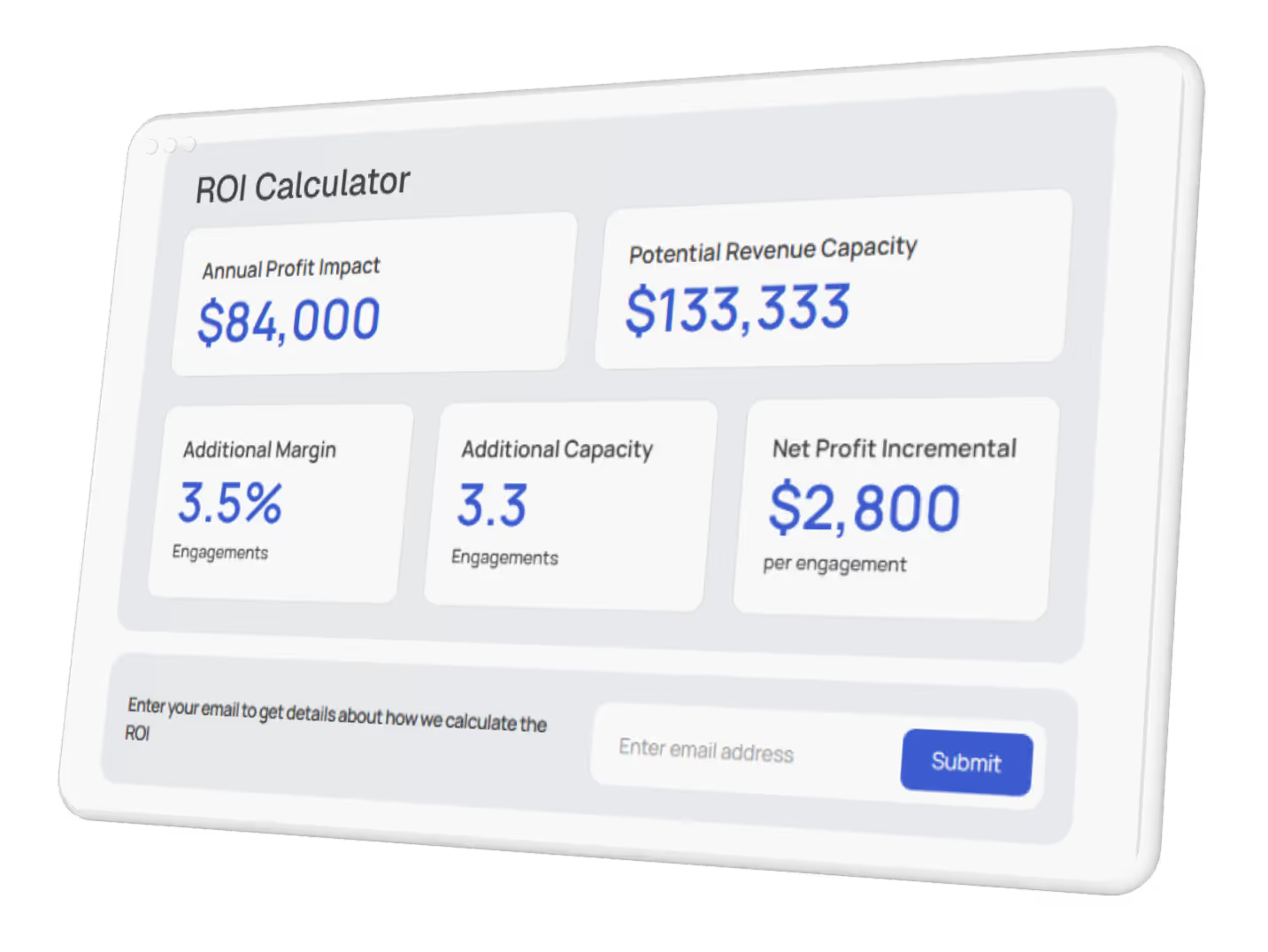
What is the potential return on investment (ROI) in terms of efficiency gains, risk reduction, and improved audit quality?
Evaluating these factors thoroughly will help organizations make an informed decision and select an automation technology solution that best fits their needs.
Conclusion
End-to-end statutory audit automation software is no longer optional for firms facing rising regulatory complexity and data volumes. Platforms that combine AI-driven analytics, automated evidence collection, and cloud-native collaboration deliver measurable gains in efficiency, accuracy, and compliance coverage. The right choice depends on integration depth, scalability, and how well the solution fits your audit methodology - but investing in modern automation is essential to remain competitive in 2025 and beyond.