



How Do I Prepare My Small Business for an Audit Without a Dedicated Finance Team?
Running a small business often means wearing multiple hats. From managing operations and sales to customer service and compliance, business owners frequently handle responsibilities that larger organizations assign to specialized teams.
When an audit approaches, many small businesses face a common challenge: how do you prepare for an audit without a dedicated finance team?
The good news is that audit readiness does not require a large accounting department. With the right processes, documentation, and technology, small businesses can confidently prepare for audits while reducing stress, delays, and compliance risks.
This guide explains how to prepare your small business for an audit, the key documents auditors typically request, common mistakes to avoid, and how AI-powered audit solutions can simplify the entire process.

Audit preparation is the process of organizing financial records, supporting documentation, internal controls, and compliance evidence before auditors begin their review.
The goal is to ensure auditors can verify financial accuracy efficiently while minimizing disruptions to business operations.
For small businesses, audit preparation typically involves:
- Organizing financial statements
- Reconciling accounts
- Collecting supporting documents
- Reviewing tax records
- Ensuring compliance documentation is complete
- Addressing accounting discrepancies before the audit begins
A well-prepared business can significantly reduce audit delays and improve overall audit outcomes.
Why Small Businesses Struggle With Audit Readiness
Many small businesses do not have:
- Dedicated finance departments
- Internal auditors
- Compliance specialists
- Document management systems
- Standardized audit workflows
As a result, preparing for an audit often becomes a last-minute effort that consumes valuable time and resources.
Common challenges include:
- Missing documentation
- Inconsistent record keeping
- Manual spreadsheet tracking
- Limited visibility into financial data
- Difficulty responding to auditor requests
These issues can lead to longer audit cycles and increased administrative burden.
Key Documents Auditors Typically Request
Before beginning preparation, it's important to understand what auditors usually need.
Creating a centralized repository for these documents can dramatically improve audit efficiency.
Step-by-Step Audit Preparation Process for Small Businesses
Step 1: Organize Financial Records
Begin by collecting all financial records for the audit period.
Ensure records are:
- Complete
- Accurate
- Up to date
- Easy to locate
Store documents in clearly labeled folders organized by month, account, or transaction type.
Step 2: Reconcile Accounts
Account reconciliations help identify discrepancies before auditors find them.
Review:
- Bank accounts
- Credit card accounts
- Loan balances
- Accounts receivable
- Accounts payable
Resolve any unexplained differences immediately.
Step 3: Review Revenue and Expenses
Auditors often focus heavily on revenue recognition and expense classification.
Verify that:
- Sales records match invoices
- Revenue is recorded correctly
- Expenses have supporting documentation
- Transactions are categorized properly
This reduces the likelihood of audit questions later.
Step 4: Validate Supporting Documentation
Every significant transaction should have supporting evidence.
Examples include:
- Contracts
- Purchase orders
- Invoices
- Receipts
- Approval records
Missing documentation is one of the most common causes of audit delays.
Step 5: Prepare an Audit Request Tracker
Create a simple tracker to manage auditor requests.
Include:
- Request description
- Responsible person
- Due date
- Submission status
- Supporting documents provided
This improves communication and prevents missed requests.
How Technology Can Replace Manual Audit Preparation
Small businesses often rely on spreadsheets and email chains to manage audit requests.
While this approach may work initially, it becomes increasingly difficult as transaction volumes grow.
Modern audit technology helps automate repetitive tasks and improve audit readiness.
Benefits include:
- Automated document collection
- Centralized evidence management
- Faster auditor collaboration
- Reduced manual effort
- Improved data accuracy
- Real-time audit visibility
Businesses that digitize audit preparation typically spend less time searching for documents and more time addressing meaningful audit findings.
Manual Audit Preparation vs AI-Powered Audit Readiness
AI-native audit platforms can be especially valuable for small businesses that lack dedicated finance teams because they automate many administrative audit tasks.
Common Audit Preparation Mistakes Small Businesses Should Avoid
Even well-managed businesses can make avoidable mistakes during audit preparation.
Common issues include:
- Waiting until the audit begins to gather documents
- Failing to reconcile accounts regularly
- Storing records across multiple systems
- Missing approval documentation
- Inconsistent bookkeeping practices
- Not reviewing financial statements before the audit
- Poor communication with auditors
Addressing these issues proactively can significantly improve audit readiness.
Creating an Audit Readiness Checklist
A simple checklist helps ensure nothing is overlooked.
Using a checklist helps maintain consistency and reduces last-minute surprises.
How Finspectors Helps Small Businesses Prepare for Audits
Preparing for audits without a dedicated finance team can be challenging.
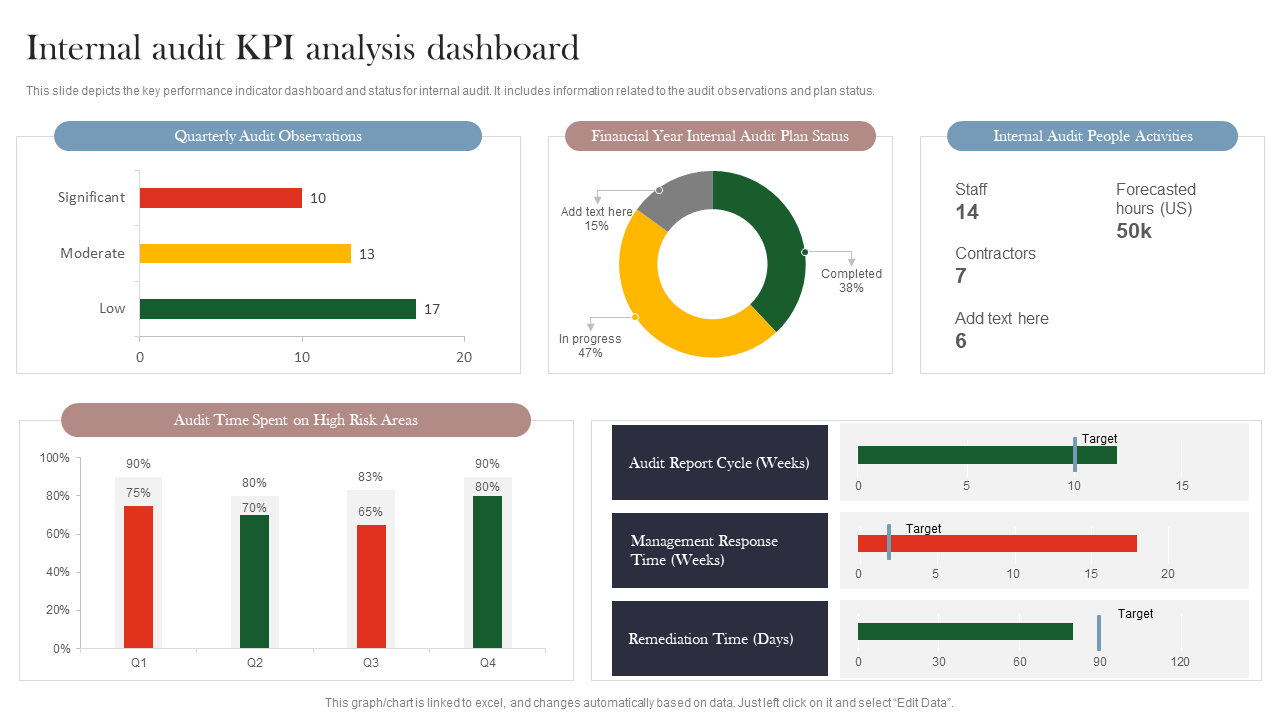
Finspectors helps businesses streamline audit readiness through an AI-native audit platform designed to simplify evidence collection, document management, workflow tracking, and auditor collaboration.
By automating routine audit activities, organizations can:
- Improve audit efficiency
- Reduce manual workload
- Strengthen compliance processes
- Maintain continuous audit readiness
- Support faster audit execution
This allows small teams to operate with the effectiveness of much larger finance functions.
Final Thoughts
Preparing your small business for an audit without a dedicated finance team is entirely achievable with the right approach.
By organizing records early, maintaining strong documentation practices, reconciling accounts regularly, and leveraging modern audit technology, businesses can reduce audit stress and improve compliance outcomes.
Audit readiness is not about having a large finance department. It is about having structured processes, accurate records, and the tools needed to manage audits efficiently.