



How Does Continuous Auditing Differ from a Traditional Year-End Audit?
Organizations today operate in a fast-moving digital environment where financial data changes daily rather than annually. As businesses adopt cloud systems, AI-powered workflows, and real-time reporting, the traditional year-end audit model is increasingly being supplemented by continuous auditing.
While both approaches aim to improve financial accuracy, compliance, and risk management, they differ significantly in timing, methodology, and business impact.
What Is a Traditional Year-End Audit?
Definition
A traditional year-end audit is a periodic review of a company's financial statements conducted after the accounting period has ended.
Key Characteristics
- Performed annually or quarterly
- Focuses on historical transactions
- Relies heavily on sampling techniques
- Typically involves extensive manual testing
- Produces findings after the reporting period
Typical Process
- Financial year closes
- Auditors request documentation
- Samples are selected for testing
- Audit procedures are performed
- Findings are reported
- Financial statements are finalized
Challenges
- Issues may remain undetected for months
- High workload during audit season
- Delayed identification of risks
- Limited visibility between audit cycles

What Is Continuous Auditing?
Definition
Continuous auditing is an audit approach that uses technology, automation, and data analytics to monitor transactions and controls on an ongoing basis.
Instead of reviewing information once a year, auditors receive regular insights throughout the reporting period.
Key Characteristics
- Ongoing monitoring of financial activity
- Automated testing of controls
- Real-time or near-real-time analysis
- Full-population testing where possible
- Immediate exception reporting
How It Works
Continuous auditing platforms can:
- Analyze every transaction
- Monitor segregation-of-duty violations
- Identify unusual journal entries
- Detect policy breaches
- Trigger alerts when anomalies occur
Benefits
- Faster risk detection
- Improved compliance monitoring
- Reduced manual effort
- Better audit coverage
- More proactive decision-making
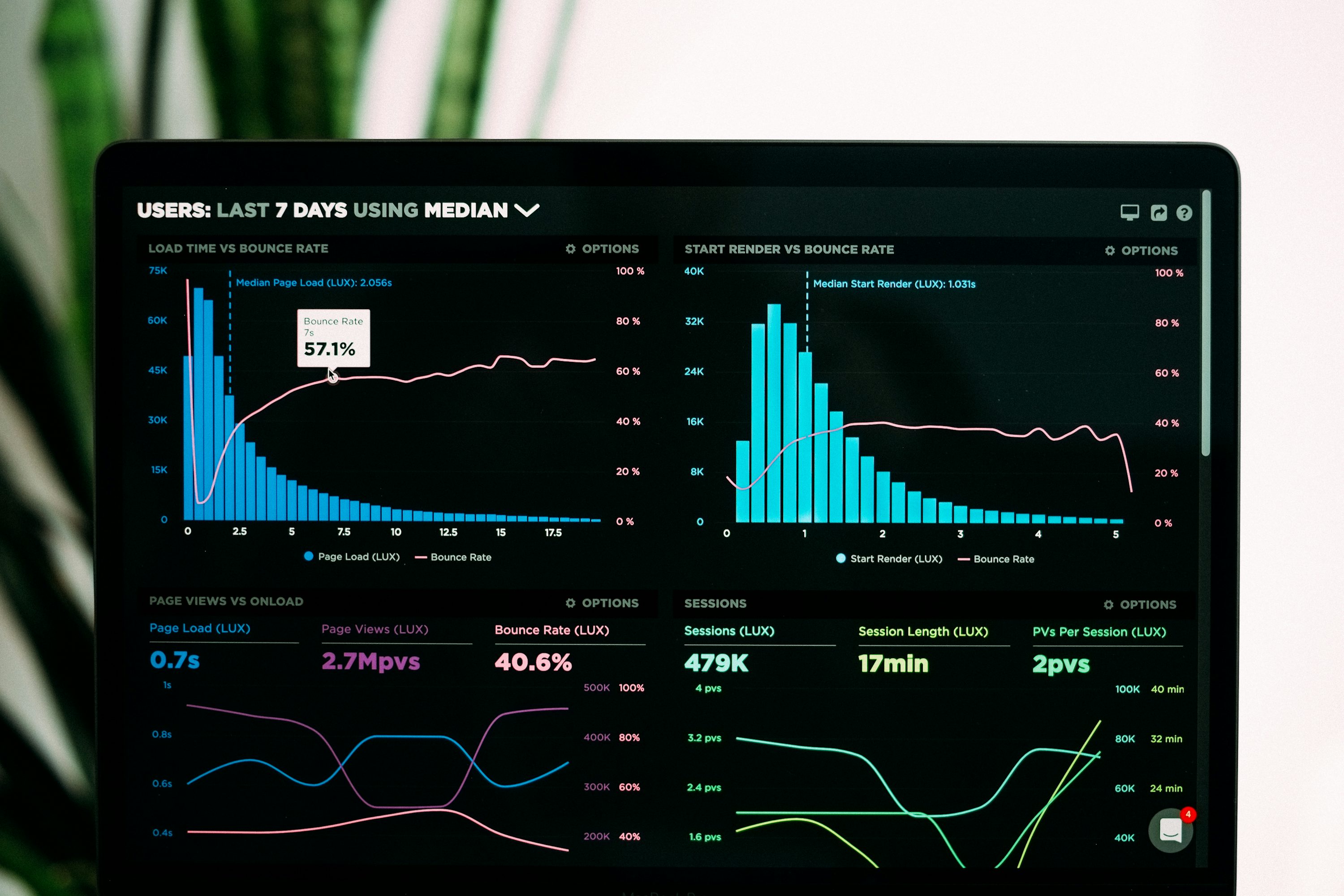
Continuous Auditing vs Traditional Year-End Audit
Side-by-Side Comparison
Key Takeaway
Traditional audits tell organizations what happened.
Continuous auditing helps organizations understand what is happening right now.
Why Businesses Are Moving Toward Continuous Auditing
Increasing Transaction Volumes
Modern businesses generate:
- Thousands of transactions daily
- Multiple system integrations
- Large volumes of operational data
Manual audit approaches struggle to keep pace with this scale.
Demand for Faster Insights
Stakeholders increasingly expect:
- Real-time reporting
- Faster issue resolution
- Continuous compliance assurance
Continuous auditing helps meet these expectations.
Improved Risk Management
Organizations can identify:
- Fraud indicators
- Control failures
- Duplicate payments
- Unauthorized transactions
before they become significant problems.
Regulatory Expectations
Many regulators and governance bodies encourage stronger monitoring and control environments.
Continuous auditing supports these objectives through ongoing oversight and documentation.
Where Traditional Audits Still Add Value
Independent Assurance
External year-end audits remain essential for:
- Financial statement assurance
- Regulatory compliance
- Investor confidence
- Statutory reporting requirements
Professional Judgment
Certain audit procedures still require:
- Human evaluation
- Management interviews
- Complex accounting assessments
- Professional skepticism
Technology supports auditors but does not replace professional judgment.
Regulatory Requirements
Most jurisdictions continue to require formal external audits regardless of whether continuous auditing systems are in place.
Can Organizations Use Both Approaches Together?
The Most Effective Model
Many organizations now adopt a hybrid approach:
- Continuous auditing throughout the year
- Traditional external audit at year-end
This combination provides:
- Ongoing risk monitoring
- Improved control effectiveness
- Reduced audit surprises
- Stronger assurance outcomes
Example
A continuous auditing platform may flag unusual journal entries in March, allowing management to investigate immediately rather than waiting until the annual audit months later.
As a result:
- Risks are addressed sooner
- Audit adjustments decrease
- Financial reporting becomes more reliable
Final Thoughts
Continuous auditing and traditional year-end audits serve different but complementary purposes.
While traditional audits provide independent assurance over historical financial statements, continuous auditing delivers ongoing visibility into risks, controls, and transactions throughout the year.
Organizations that combine both approaches can benefit from:
- Faster risk detection
- Greater operational efficiency
- Improved compliance
- Better audit readiness
- More reliable financial reporting
As businesses continue to digitize their operations, continuous auditing is becoming an increasingly important component of modern audit and risk management strategies.