



What Is a Financial Audit and Does My Small Business Actually Need One?
Running a small business requires making countless financial decisions. From managing cash flow and expenses to preparing tax filings and seeking investment, accurate financial information is essential.
A financial audit provides an independent review of your company's financial records and reporting processes. While many small business owners associate audits with large corporations, financial audits can offer significant value to businesses of all sizes.
The question is: Does your small business actually need one?
This guide explains what a financial audit is, how it works, when it's required, and how it can benefit your business.

What Is a Financial Audit?
Financial Audit Definition
A financial audit is an independent examination of a company's financial statements, accounting records, and supporting documentation.
The purpose is to determine whether the financial statements accurately reflect the financial position of the business and comply with applicable accounting standards.
A financial audit typically reviews:
- Income statements
- Balance sheets
- Cash flow statements
- General ledger entries
- Supporting documentation
- Internal financial controls
What Is the Goal of a Financial Audit?
A financial audit helps provide assurance that:
- Financial records are accurate
- Transactions are properly recorded
- Financial statements are reliable
- Internal controls are functioning effectively
- Material errors or inconsistencies are identified
For stakeholders, this independent verification builds confidence in the company's financial reporting.
How Does a Financial Audit Work?
The Financial Audit Process
Most financial audits follow a structured process.
What Do Auditors Look For?
Auditors commonly review:
- Revenue recognition practices
- Expense classifications
- Cash transactions
- Bank reconciliations
- Accounts receivable
- Accounts payable
- Inventory records
- Financial controls
The objective is not to manage the business but to independently verify financial accuracy.
Why Financial Audits Matter for Small Businesses
Improve Financial Credibility
Accurate financial reporting builds trust with external stakeholders.
A financial audit demonstrates that your financial statements have been independently reviewed and validated.
This can improve confidence among:
- Investors
- Banks and lenders
- Business partners
- Potential buyers
- Regulatory authorities
Strengthen Internal Controls
Many small businesses operate with lean teams and limited oversight.
A financial audit can help identify:
- Weak approval processes
- Control gaps
- Documentation issues
- Operational inefficiencies
Addressing these issues early can reduce future risks.
Support Better Decision-Making
Business decisions are only as good as the information behind them.
Audited financial statements provide a more reliable foundation for:
- Budget planning
- Growth initiatives
- Capital investments
- Hiring decisions
- Strategic planning

Does Every Small Business Need a Financial Audit?
The Short Answer: Not Always
Many small businesses are not legally required to undergo a financial audit.
However, there are situations where an audit becomes necessary or highly beneficial.
You May Need a Financial Audit If:
- A lender requires audited financial statements
- Investors request independent financial verification
- Regulatory requirements apply to your business
- You are preparing for acquisition or fundraising
- You operate in a highly regulated industry
You May Not Need a Financial Audit If:
- You are a small owner-operated business
- External stakeholders do not require audited statements
- Regulatory requirements do not apply
- Internal financial reporting needs are relatively simple
Even when not mandatory, some businesses voluntarily pursue audits to improve transparency and governance.
Financial Audit vs Financial Review vs Compilation
Understanding the Difference
Many business owners confuse audits, reviews, and compilations.
Understanding the level of assurance needed can help determine the most appropriate service for your business.
Benefits of a Financial Audit for Small Businesses
Increased Transparency
Audits create greater visibility into financial operations and reporting practices.
This helps businesses establish stronger accountability.
Enhanced Investor Confidence
Investors often prefer businesses with independently verified financial information.
Audited statements can simplify due diligence processes and improve credibility.
Better Access to Financing
Banks and lenders may request audited financial statements before approving loans or credit facilities.
A completed audit can support financing discussions and reduce uncertainty.
Improved Compliance Readiness
Audits help businesses maintain organized records and stronger financial controls.
This can make future regulatory reviews, tax examinations, and compliance assessments easier to manage.
Fraud Risk Reduction
Although audits are not designed specifically to detect fraud, they may help uncover:
- Unusual transactions
- Control weaknesses
- Documentation inconsistencies
- Financial irregularities
How to Prepare for a Financial Audit
Organize Financial Records
Gather and review:
- Financial statements
- Bank statements
- Invoices
- Receipts
- Contracts
- Tax records
Review Internal Controls
Evaluate processes related to:
- Approvals
- Expense management
- Cash handling
- Financial reporting
Maintain Supporting Documentation
Auditors rely on evidence.
Ensuring documentation is complete and accessible can streamline the audit process.
Leverage Technology
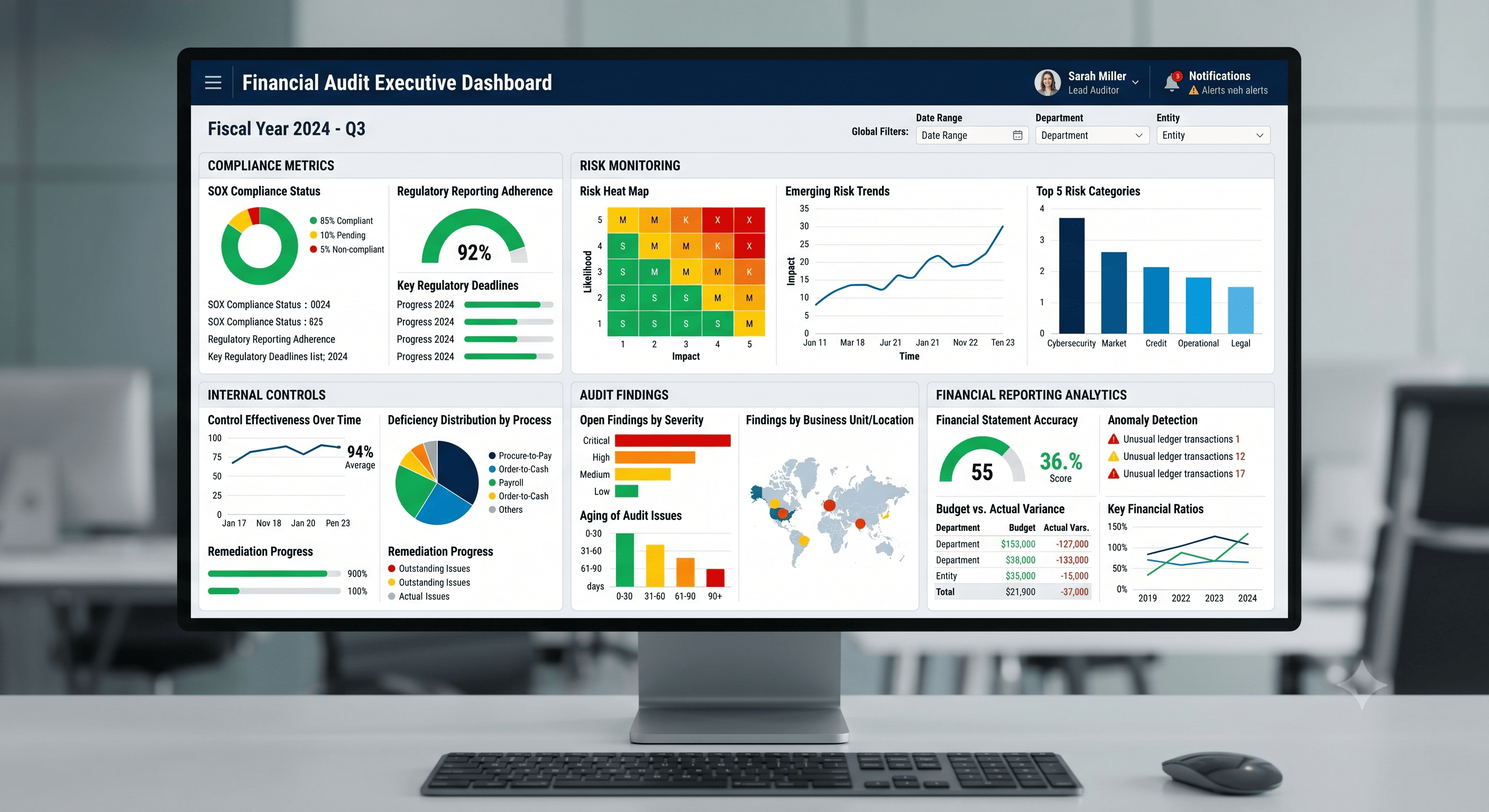
Modern audit and compliance platforms can help centralize documentation, automate workflows, and improve audit readiness.
Common Misconceptions About Financial Audits
"Audits Are Only for Large Companies"
Many small businesses benefit from audits, especially when seeking financing, investment, or growth opportunities.
"Audits Mean Something Is Wrong"
A financial audit is a standard business practice designed to provide assurance—not an indication of wrongdoing.
"Audits Only Help Regulators"
Audits provide value to management, investors, lenders, and business owners by improving trust and decision-making.
Final Thoughts
A financial audit is more than a compliance exercise—it is an opportunity to improve financial transparency, strengthen controls, and build trust with stakeholders.
While not every small business is required to undergo a financial audit, many organizations can benefit from the increased credibility, improved governance, and enhanced financial confidence that an independent audit provides.
As your business grows, pursuing a financial audit can help create a stronger foundation for financing, investment, compliance, and long-term success.